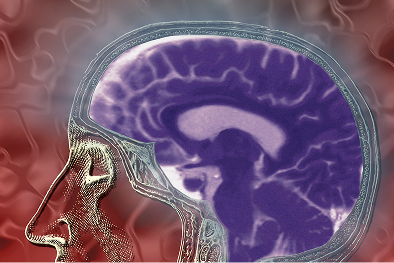
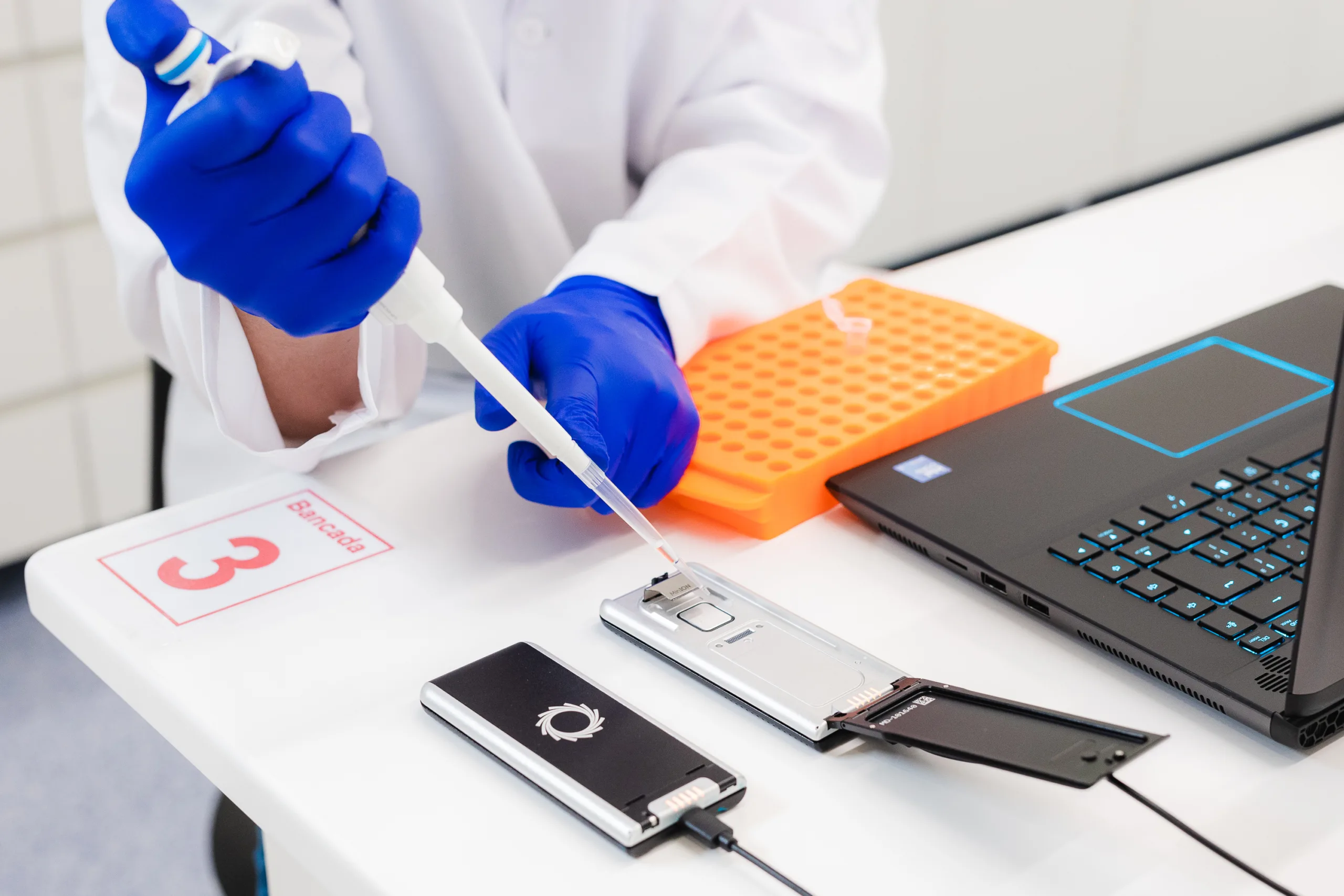
The area of Neurophysiology at Pioneer Science investigates the neural mechanisms that support perception, cognition, and behavior, with a focus on the functional dynamics of brain networks at different scales. Integrating experimental approaches that combine neurophysiological recordings, eye tracking, and translational models, the projects aim to understand how patterns of brain activity emerge and change under physiological and pathological conditions, contributing to the advancement of knowledge about cognitive functions and their dysfunctions.
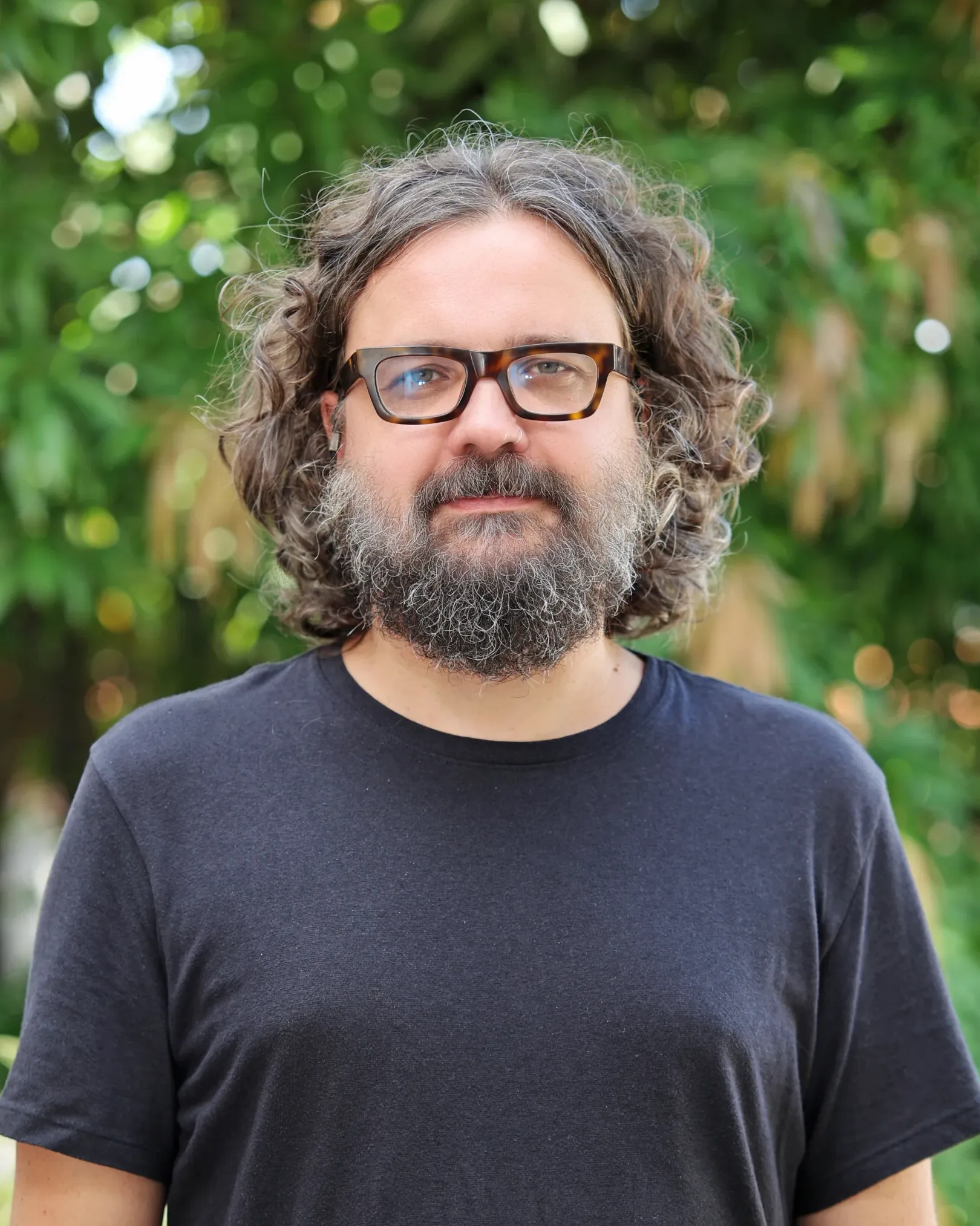
Research group led by Gustavo Rohenkol
The research investigates the neural mechanisms of visual consciousness — the subjective experience of consciously perceiving an image, distinguishing what effectively constitutes perception from what is processed unconsciously.
In the laboratory, this phenomenon can be investigated through interocular suppression techniques, where the brain stops reporting signals from one eye when different images are simultaneously presented to each eye. Traditionally, however, these studies are conducted under extremely controlled conditions and largely detached from the dynamic and active process of vision in natural conditions.
The project proposes to advance in this field by adapting a classical paradigm of interocular suppression to incorporate active vision, with the execution of eye movements. Combining precise neurophysiological recording methods, such as EEG and MEG, with eye tracking, the research will seek to map the activity of brain networks involved in the formation of conscious perception during active exploration of the environment.
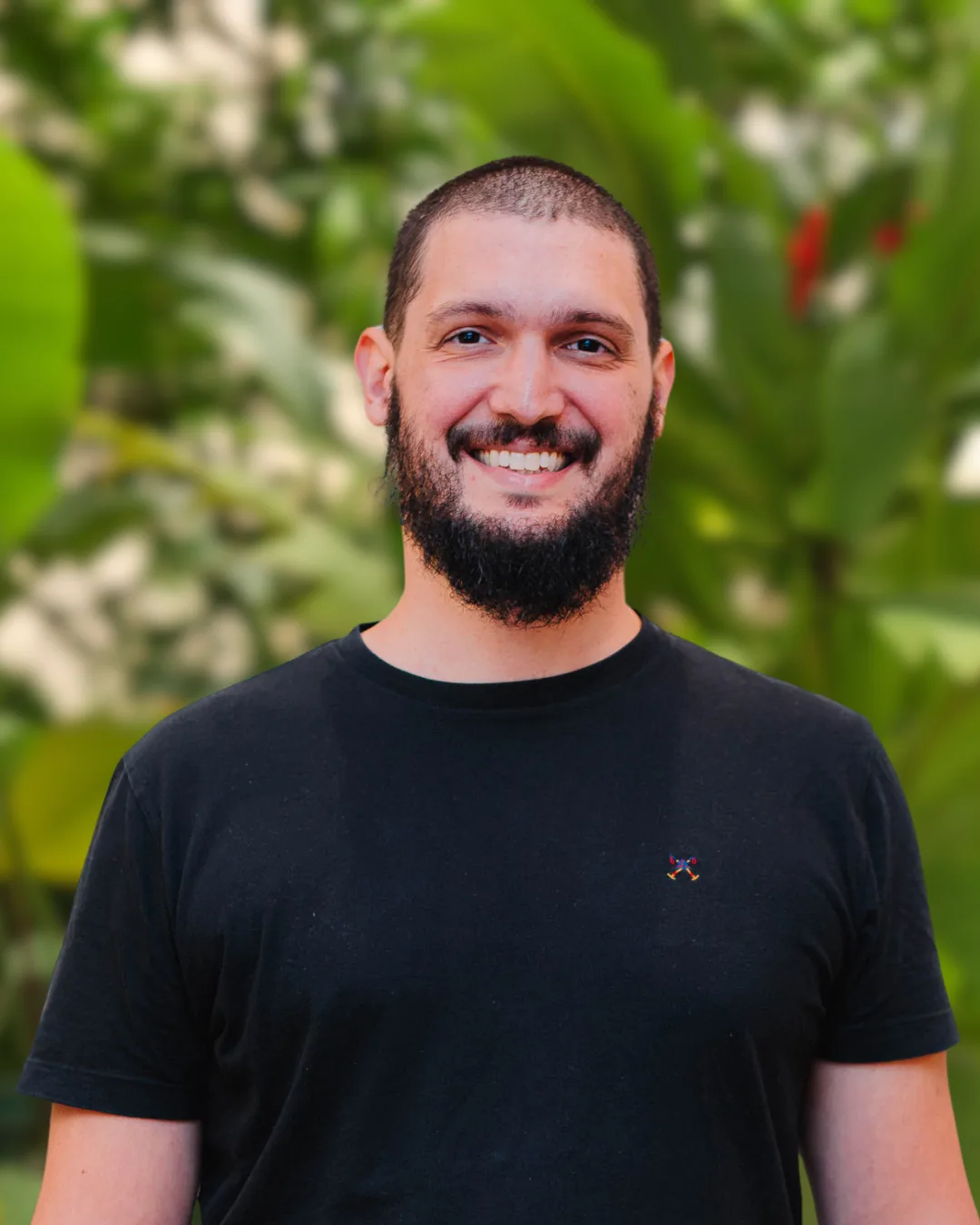
Research group led by Sergio Neuenschwander
In the research line of the group, the focus is on developing a translational model of Alzheimer’s Disease in non-human primates, with an emphasis on Resos, a species particularly suitable for studying the neural mechanisms associated with complex cognitive functions.
The research investigates how the disease alters cortical neuronal dynamics, especially gamma oscillations, which are associated with perception, attention, and memory and tend to weaken with aging and in pathological conditions.
To this end, the project combines behavioral training, eye tracking, and recordings from multiple cortical sites, aiming to longitudinally characterize the functional changes induced by Alzheimer’s Disease. This approach is essential to establish a robust biomodel and also to test, in a controlled manner, the efficacy of non-invasive therapies based on flickering stimuli in the gamma range.
Innovative research aimed at investigating the limits of the interaction between physics and neuroscience, conducted at four locations: IDOR (RJ and SP), UFRJ, and UFMG.
The transdisciplinary research program investigates how the brain and human psychology form, maintain, and represent values and beliefs, exploring cognitive, social, philosophical, and spiritual dimensions.
The Advanced Therapies front brings together projects that explore innovative approaches for the development of new therapeutic strategies, focusing on complex and hard-to-treat diseases.