
By Pioneer Science | Published on May 7, 2025 | Last updated on May 14, 2026
Selected from all over the country will receive financial support for up to three years to develop innovative research with high potential for scientific impact
This Wednesday (7), Pioneer Science announces the result of the call for proposals Pioneer Science — Researchers in Independent Career Consolidation, the first public call of this philanthropic initiative.
In total, R$ 7.2 million will be invested to support researchers. Each selected scientist will receive R$ 480 thousand over three years to develop their projects. The Call also has the complementary support of FAPERJ (Foundation for Research Support of the State of Rio de Janeiro) for researchers located in Rio de Janeiro.
Sérgio Ferreira, Scientific Director of Pioneer Science, highlights the quality of the proposals received during the selection process of the call: “With the support of a committee of international and national experts, 15 innovative and bold proposals were selected for funding. We hope that the support from Pioneer Science allows these young scientists to develop their research with maximum freedom, advancing the frontiers of our science.”
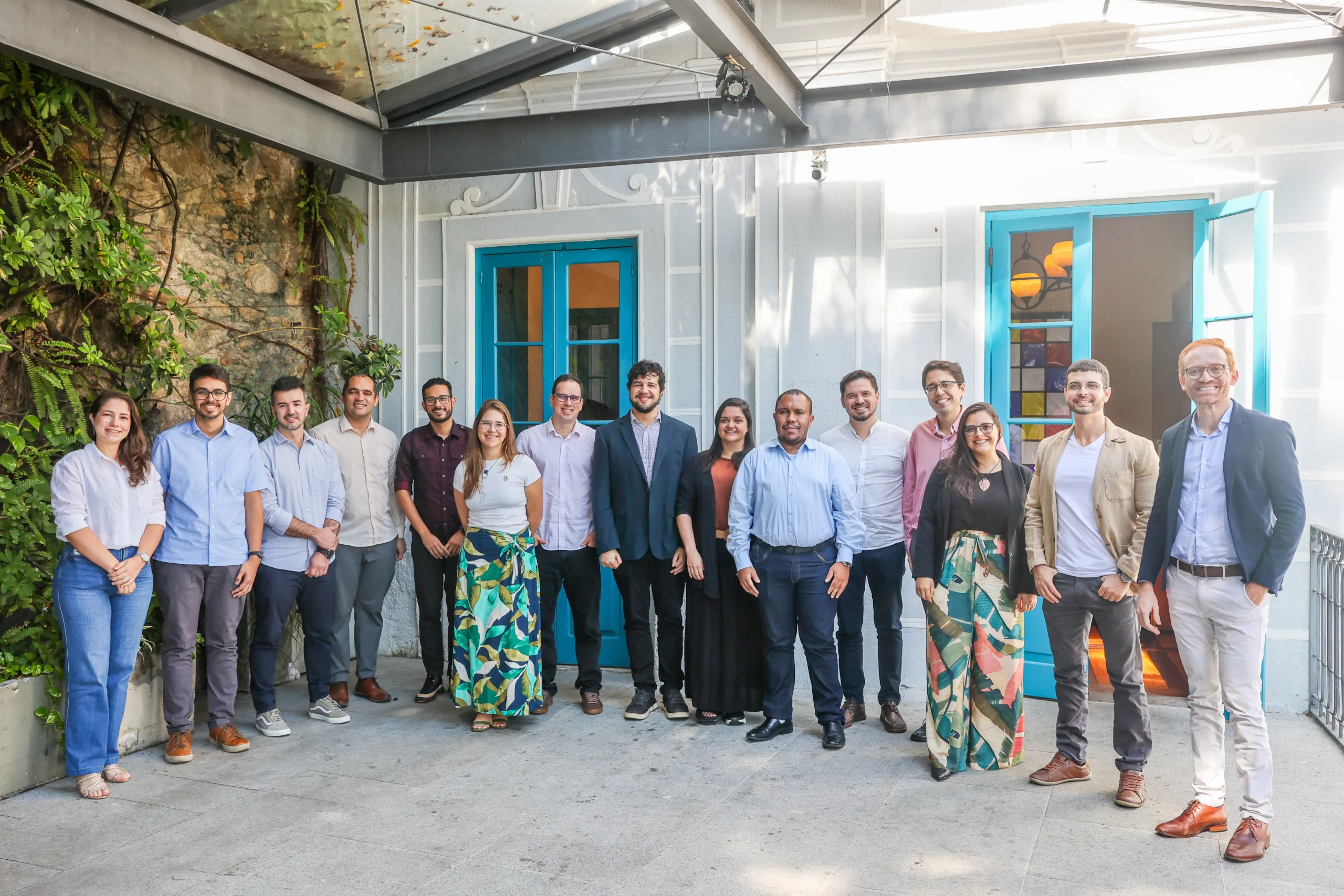
Of the 198 proposals received, 15 were selected by an evaluation committee composed of 30 experts from ten countries – the United States, Germany, Australia, Canada, Portugal, Chile, Israel, the United Kingdom, and Argentina, in addition to Brazil.
Among the selected are researchers from the Northeast, Midwest, Southeast, and South. Research in three major areas that encompass the initiative’s action axes was contemplated: 1) molecular and cellular biology, 2) physics and mathematics of biology, and 3) neuroscience and cognition.
Researchers will also be able to use laboratory facilities and equipment from IDOR and participate in training, workshops, and events to develop their careers and cooperation with other research.
We congratulate the selected researchers and wish that their work opens new frontiers for science in Brazil, driving transformative discoveries for the Brazilian reality.
Ana Paula Povinelli – UNESP
Research: What can the analysis of chameleonic sequences inserted in different contexts teach us about the importance of the interaction network in protein folding?
Carmem Gilardoni – CBPF
Research: Next-generation magnetic resonance imaging based on innovative quantum sensors.
Fernanda Matias – UFAL
Research: Statistical physics applied to neuroscience: using complexity and causality as biomarkers to detect neurological disorders.
Paulo Cezar Santos – IDOR
Research: Optimization of neurorehabilitation through disruptive interventions for neurological diseases: an integrative approach to improve neuroplasticity and gait.
Victor Santos – UFMG
Research: Neuroplasticity of epileptic engrams in the brain: in search of proof of concept.
Artur da Silva – UFG
Research: Towards Precision Medicine: “Patient-on-a-Chip” Model to Investigate Mechanisms and Therapies in Neurodegenerative Diseases of the Retina.
Eduardo Zimmer – UFRGS
Research: The early origins of late neurodegeneration.
Evandro de Souza – USP
Research: What promotes cellular rejuvenation in the germline, and can this be replicated in somatic cells?
Felipe Campos – UFRJ
Research: Therapeutic potential of autologous proteasome transplantation in Alzheimer’s disease.
Fernando Seara – UFRJ
Research: Cardiovascular aging: homeostatic mechanisms and therapeutic potential of extracellular vesicles.
Juliana Rizzo – UFRJ
Research: Decoding microbial communication: exploring the potential of extracellular vesicles in the discovery of new drugs.
Luiz Bozi – USP
Research: Role of succinate in the regulation of cardiac remodeling.
Mychael Lourenço – UFRJ
Research: Cellular factors that confer resilience to dementia: the roles of protein synthesis in the brain.
Ronaldo Amaral – UFRJ
Research: How do cartilage cells respond to curved surfaces and their relationship with cartilage degradation and regeneration?
Tiago Costa – USP
Research: Enhancing endothelial progenitor cells to increase the survival of vascular endothelial cells under stress: a strategy based on controlling O-GlcNAcylation.
To learn more details about each project, follow Pioneer Science on social media.


